
High breast density delayed my cancer diagnosis
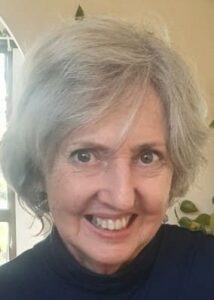
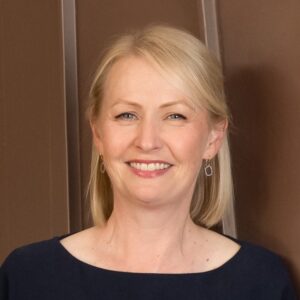
Anne Peek shares her story
BreastScreen is a wonderful screening service that has been proven effective in reducing breast cancer deaths and reducing the need for aggressive treatments among women in the 50-74 age group.
I have always been a strong advocate for screening services and had my scheduled regular BreastScreen mammograms every 2 years for over 20 years. My GP and I were always given the all clear. However, 5 months after the 2023 ‘all clear’ I noticed an odd-shaped mass in my right breast. My GP ordered an urgent mammogram and ultrasound.
The day I was diagnosed with breast cancer was the day I first learnt about my breast density. The private radiology report noted high breast density on the mammogram and that there was a mass highly suspicious of a primary breast cancer observed on the ultrasound.
My final diagnosis occurred one month later – Stage 3 breast cancer. The primary cancer had spread into the lymph glands and pectoral muscle.
Not being aware of my breast density is how I lost in the health care lottery.
How?
- Breast density is a problem for screening mammograms because it can mask breast cancers that are present. Generally, breast cancers appear white on the mammogram and are difficult to distinguish from dense areas which are also white. Women with higher percentage breast density are more likely to have a so-called ‘interval cancer’, defined as a cancer detected within 24 months after a ‘normal’ mammogram. Interval cancers are more likely to be larger than cancers detected by screening. Larger cancers are often associated with lymph node metastases and can have a worse prognosis.
- There exists an uneven playing field in Australia. In Victoria, BreastScreen do not report on breast density to the client and their GP. Had I lived in South Australia or Western Australia, BreastScreen would have reported breast density to me and highlighted that high density could mask cancer.
(NB Breast density policy is in a state of change. BreastScreen Australia is currently updating their position. BreastScreen Victoria is currently rolling out breast density notification, with rollout to be completed by early 2025.)
- If I had been informed, what would it mean and what would I have done? First, I would have spoken with my GP. I’m confident my GP, realising my concern, would have acquired more information and ordered an ultrasound.
- I could have afforded and willingly had an ultrasound routinely if I’d been informed that mammograms could miss primary breast cancer in dense breasts.
- An ultrasound would have most likely picked up my cancer at a much earlier stage. Who knows?
- It then raises the matter of inequity for those who cannot afford the additional investigations. Supplementary screening such as 3D mammograms and ultrasounds often impose high out-of-pocket costs for the consumer.
The postcode lottery
My career in health care has been spent championing equitable access to quality health services, education and information. Empowering individuals to take charge of their wellbeing and equip them with tools to navigate their own health care.
My work focussed on reaching the vulnerable amongst us. Endeavouring to fill the gaps in accessing services due to geography, health literacy, cultural beliefs, health workforce, affordability…………the postcode lottery was often mentioned. Where you lived mattered and impacted on access and equity.
What a shock to discover that I had fallen through significant gaps!
To receive optimum quality health care, we aim for the consumer to receive the RIGHT service, at the RIGHT place, at the RIGHT time. That’s a win in the healthcare lottery!
I lost because I live in the wrong place, i.e. Victoria; the routine BreastScreen mammogram was not the right service for me; and my cancer diagnosis was too late as it was already at Stage 3.
Mending the health care system gaps
BreastScreen Victoria are aligning with WA and SA by reporting on breast density, and this is a positive step forward. However, it is emphasized by many experts in the field that simply reporting on breast density to the client and GP will not be enough.
It is understood that the Australian Government is considering the possibility of a risk-based screening model, and is exploring options through the ROSA (Roadmap to Optimising Screening in Australia) Breast project.
ROSA – Summary report maps a path towards improved breast cancer screening outcomes, with key recommendations including trials to test new technologies, improved data linkage, evolving clinical guidelines, and targeted research.
The report, funded by the Australian Department of Health and Aged Care through a grant to Cancer Council Australia, summarises five years of independent evidence review, stakeholder consultation, landscape analyses, and modelling focused on longer-term structural opportunities to improve breast cancer outcomes.
Professor Bruce Mann, specialist breast surgeon and director of the Breast Tumour Stream at the Victorian Comprehensive Cancer Centre, who co-chaired the two expert groups advising the project since its inception in 2018, said improved access to optimal screening and diagnostic technology would be key to improving outcomes.
Notifying women about their breast density has been proposed as a “first step” on the pathway to risk-based screening. This will take time and come at a cost with increased government funding essential.
In the meantime, we should urge all women to be aware of their own breast density. Empower women to at least be armed with this important information. We are informed about the risks of high blood pressure, high cholesterol, obesity and the like and yet not warned about the risks related to our own anatomy, i.e. our breast density. We diligently undergo screening through BreastScreen year after year, lulled into a sense of security without being informed or educated about dense breasts.
I understand the hurdles related to funding: over-servicing, equity, evidence, the possible raising of anxiety and everything that comes with debate around health economics. However, women have the right to know.
My personal story continues. Having just completed chemotherapy, radiotherapy and now on medication, I am optimistic about my future. The care we receive once diagnosed is outstanding with amazing support from all members of a highly skilled multidisciplinary team.
Consumers play an essential role and must continue to speak out as we work towards improved outcomes for all women diagnosed with breast cancer.
Understand your breast density and be informed of the risks and screening outcomes.
Stay informed and advocate for better breast health by joining InforMD. Sign up and learn more about this movement and be part of the change.