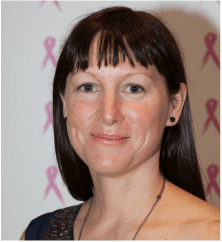
I consider myself knowledgeable about breast cancer risks and have trusted doctors to inform me of information important for my health. But I never heard about breast density until I was diagnosed with invasive ductal breast carcinoma in 2020. My diagnosis and treatment would have happened earlier if I’d known about breast density. That is why I am lobbying for women to be trusted with the information we need to make informed decisions about our breast health. This is my story.
The year before my diagnosis, I had unusual left breast tenderness and left back pain. Having heard that mammograms are the go-to screening tool and knowing BreastScreen was the Australian flagship screening program, I went for a BreastScreen mammogram*. A few weeks later, I received a letter telling me that no cancer was detected. I also sought a doctor’s opinion and had a physical examination at her surgery which did not identify any concerns. The negative mammogram gave me and my doctor a sense of relief.
Eleven months later, I felt an unusual lump in my left breast that didn’t go away. This time I went to a private, specialist, multidisciplinary breast practice at a large hospital where I saw a doctor, had a mammogram, an ultrasound and a biopsy on the same day.

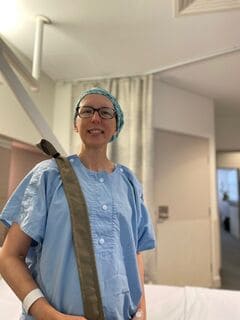
The ultrasound revealed two tumours in my left breast that were over 2 cm each. In reviewing my mammogram, the doctor explained that I had highly dense breasts (BI-RADS D). Over a few doctor’s visits I learned that breast density presents a double whammy. It is a well established independent risk factor for developing breast cancer and it makes mammograms harder to read. When the biopsy results came back, I learned that I had triple negative breast cancer. I had five months of chemotherapy and two surgeries. Following my treatment, I remain in remission. If I had understood that breast density was a risk factor for developing breast cancer and that it decreased the effectiveness of mammograms, I would have sought information about my breast density and started more effective screening sooner, and potentially earlier treatment.
I trusted the health system to give me the information that I needed to make informed medical decisions but when I found myself in a serious health crisis, I learned that there was a gap in the BreastScreen program. I discovered that women who have their breasts screened through the private system are informed of their breast density. This provides the opportunity for them to have more informed conversations with their doctors about their personal risk of developing breast cancer and to work together to plan an approach to screening that is right for them. BreastScreen, which is an already fantastic program that saves lots of lives, has the opportunity to save even more by empowering women with breast density information.
This has led me to lobby to inform women about the impact of breast density on breast cancer risk, and the actions that women, in consultation with their medical providers, can take in response to their risk. Doctors’ Hippocratic oath is to do no harm but limiting information puts women at risk of interval cancers with poorer outcomes and de-stabilises women’s trust in medical practitioners. This is made worse by the difference in notification of women seen privately versus those receiving the BreastScreen program in a majority of states. All Australian women, regardless of where they have their screening, deserve to be informed of their breast density and what that means.
In summary, reporting of breast density and providing accurate information about risks and precautionary actions available, will empower women, improve delivery of care, and importantly improve health outcomes and survival rates. Further research is needed to better support women with dense breasts and their physicians, but this should not delay reporting of this critical piece of information to better inform women regarding our breast health.
To women reading this, get a mammogram, learn your density, and talk to your doctor.
* I since learned that BreastScreen discourage women with symptoms from attending the screening program as they need a different type of mammogram. If you notice any unusual breast change, see your doctor immediately, rather than visit BreastScreen.
Declarations
Krysty is not in receipt of any funding or support from pharmaceutical companies or industry. Krysty is a member of the Australian Breast Density Consumer Advisory Council
Krysty’s personal advocacy
Sydney Morning Herald interview Krysty’s mammogram was ‘clear’ but that didn’t mean she was cancer-free
The Tea Room podcast interview - Should women be warned on breast density?
Medical Republic interview - Breast density advocacy on the rise
Channel 10 News interview - Calls For Breast Density To Be Added To Mammogram Tests
Volpara unsponsored webinar panel member The impact of knowing or not knowing your risk
Meetings with members of parliament and organisations advocating for breast cancer care
Understand your breast density and be informed of the risks and screening outcomes.
Stay informed and advocate for better breast health by joining InforMD. Sign up and learn more about this movement and be part of the change.